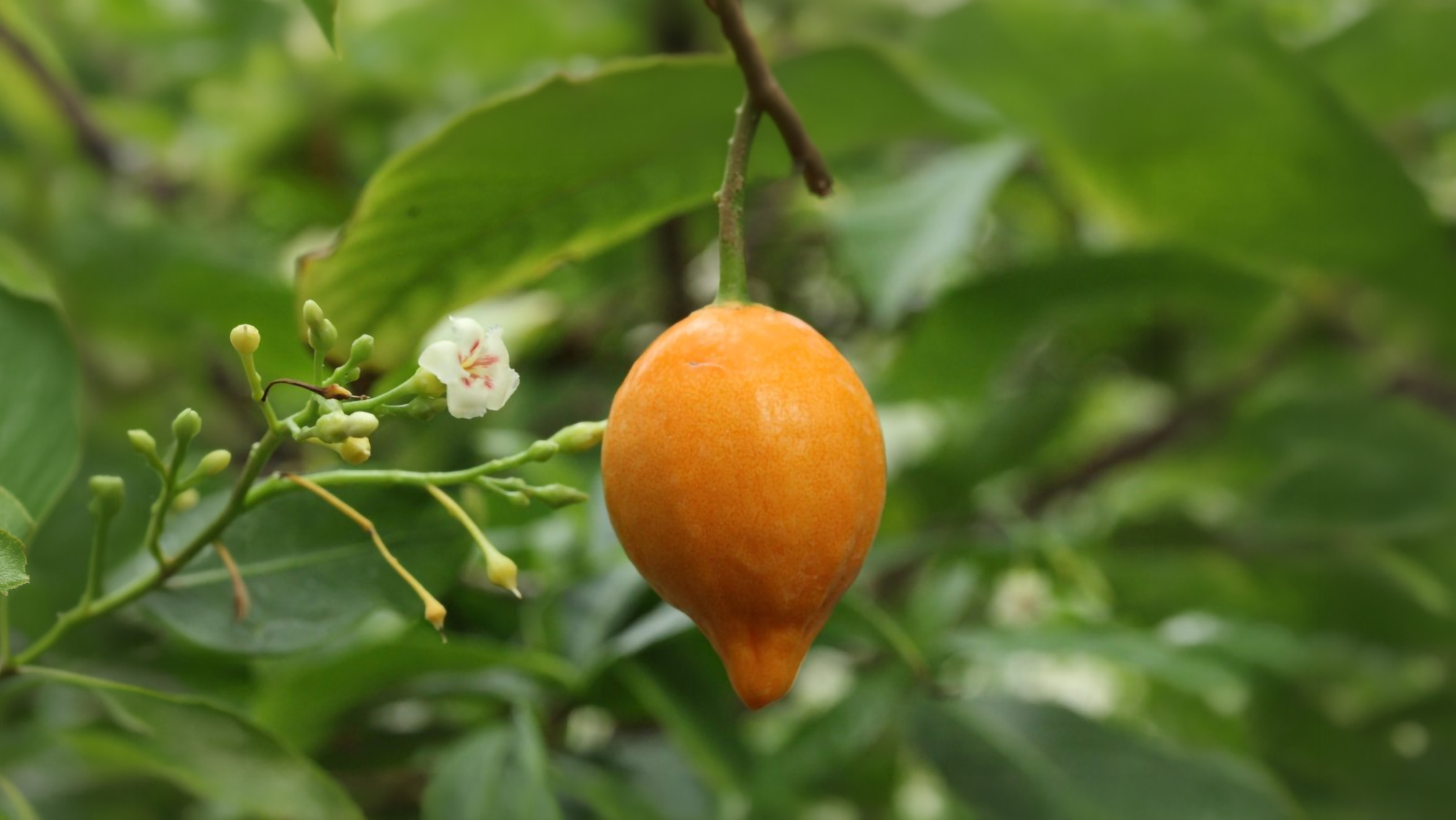
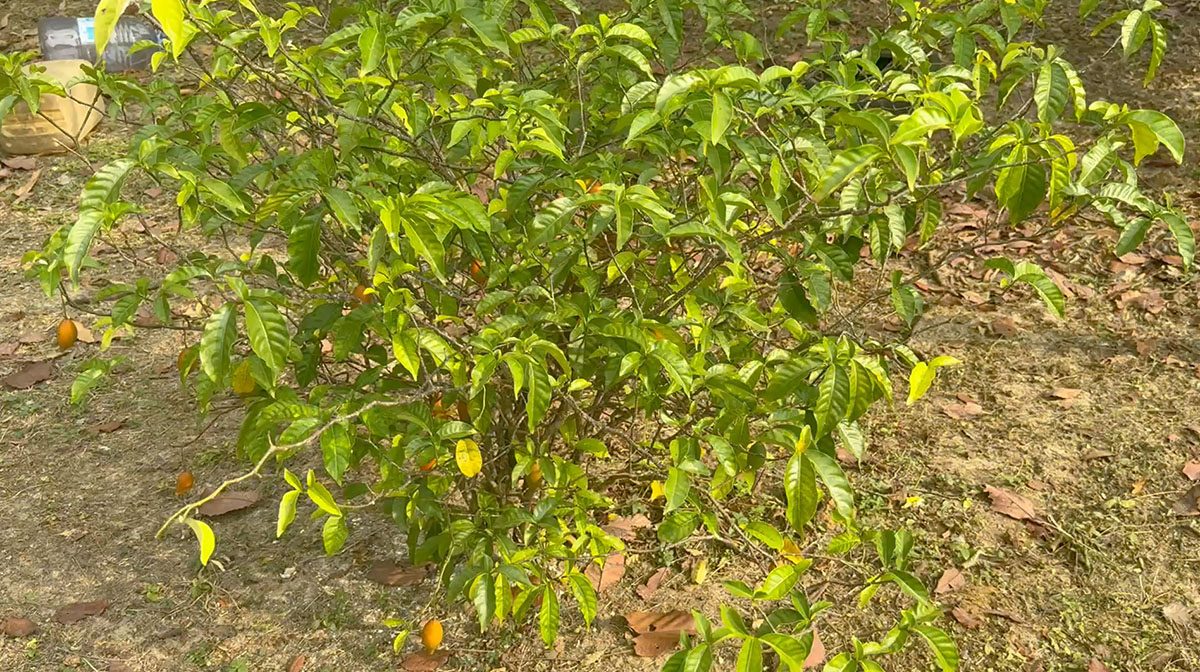
Iboga is a plant. Ibogaine is one single molecule extracted from it. Iboga root bark contains a variable mix of a dozen or more alkaloids, of which ibogaine is only one. Purified ibogaine hydrochloride (HCl) is a single compound whose dose can be measured to the milligram.
I have had a lot of conversations with fellow educators about this and everybody asks this question early on. I certainly did. The confusion between iboga and ibogaine matters though, because some genuinely dangerous decisions have been made inside it, and because the story of this medicine does not begin in a lab. It begins in the equatorial forests of Central Africa, with people who have been working with this plant far longer than Western medicine has existed, the Bwiti.
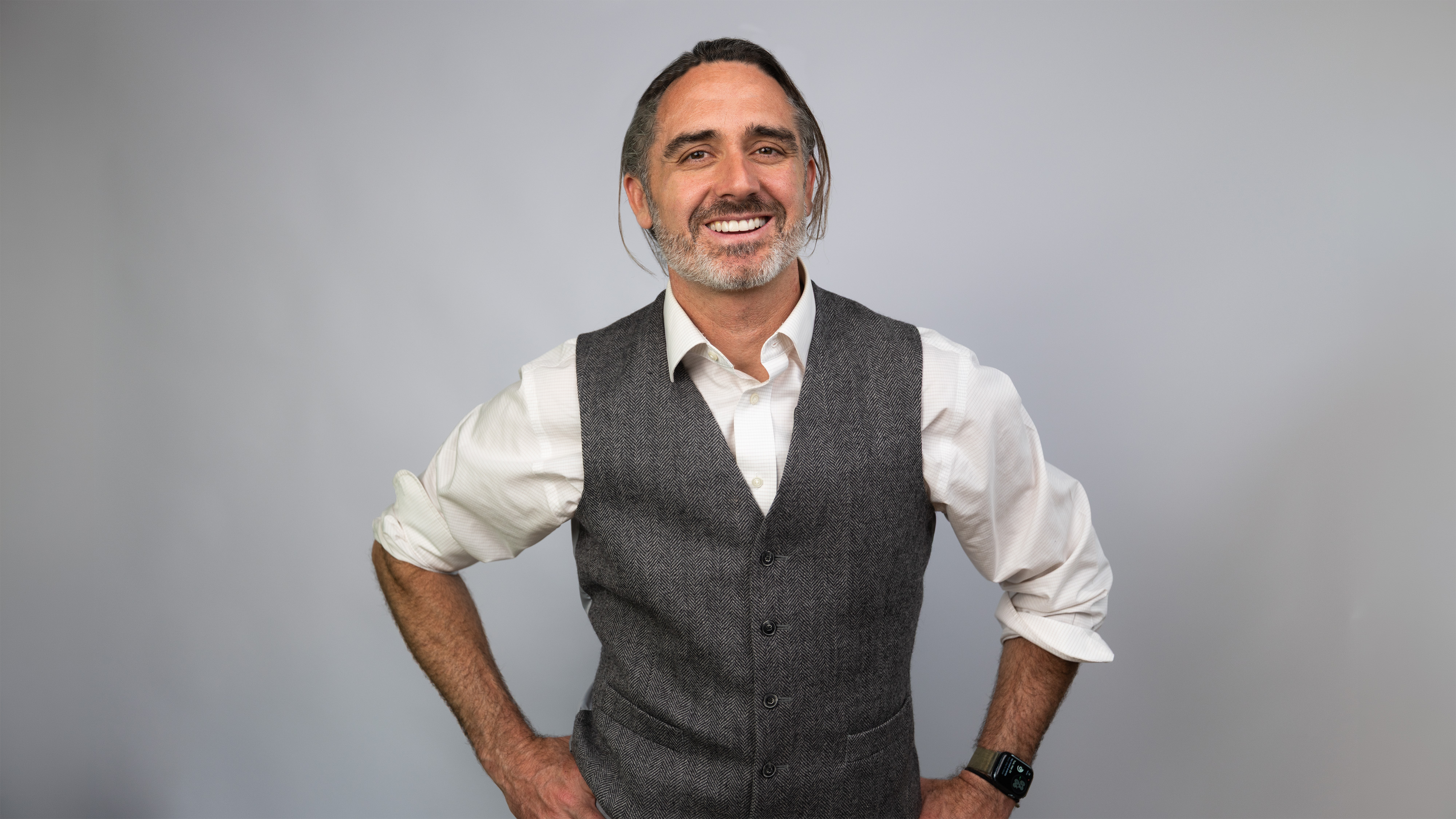
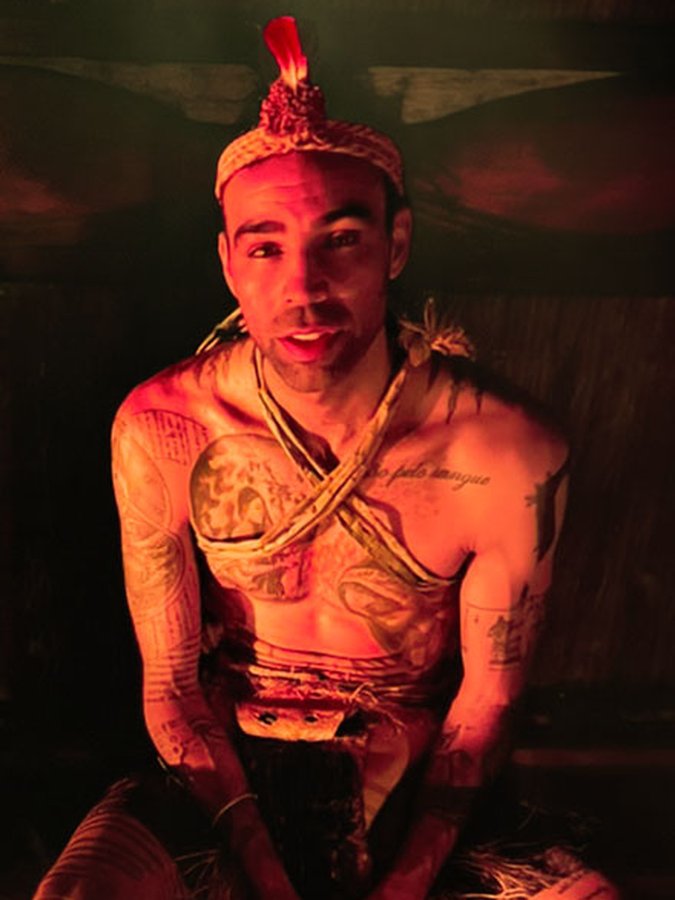
So I sat down with someone who lives on both sides of that line. Troy Valencia is a chemist with a doctorate in clinical psychology, and he is also a two-time Bwiti initiate whose paternal roots trace back to Gabon and Cameroon. He runs iboga retreats in Costa Rica. He is one of very few people who can explain the pharmacology and the tradition without going light on the other. His way of framing the difference is the best I have heard.6
Iboga is the rainbow. Ibogaine is red.
That is Troy's metaphor, and I love it. Iboga root bark contains a whole spectrum of alkaloids working together. Ibogaine is a single one pulled out of that “spectrum”. It is a real part of the plant, and thus it is not the whole of the plant.
The numbers make the metaphor easier to understand. Root bark carries somewhere around twelve to fourteen alkaloids, depending on the plant and who is counting, and ibogaine makes up only about three percent of the bark by weight.1 That single figure explains a lot. To get as much ibogaine into your body from bark as a clinic delivers in one measured dose, you would have to eat between 30 and 300 grams of iboga (far too much to keep down). Ceremonial doses of bark run somewhere in the range of six to twelve grams. A clinical ibogaine detox is a different order of magnitude of the molecule itself.
Which is why the two are not interchangeable, and why "I took iboga" and "I took ibogaine" describe experiences that differ in dose, in mechanism, in setting, and in risk.
Bark, extract, and HCl
When someone says they took iboga, they might mean any of three preparations:
| Form | What it is | Dose predictability | Where you see it |
|---|---|---|---|
| Iboga root bark | Dried, ground bark of the Tabernanthe iboga root. Contains ibogaine plus a dozen or more related alkaloids in proportions that vary plant to plant. | Low | Bwiti ceremony, some retreat settings |
| Total alkaloid (TA) extract | A crude extract concentrating all the bark's alkaloids together. Stronger than bark, still a variable mixture. | Moderate | Ceremonial and hybrid providers |
| Ibogaine hydrochloride (HCl) | The purified single molecule, typically 95 percent pure or better. Dosed by milligrams per kilogram of body weight. | High | Medical detox clinics, all clinical research |
None of these is automatically better than the others. They are different tools. But only one of them lets a physician or researcher calculate a dose against your body weight, your ECG, and your medical history, and that fact should shape where you go if your goal is detox. More on that decision in how to find a safe provider.
There is an argument for the full spectrum, and Troy makes it by pointing at cannabis, where isolated CBD behaves differently from CBD alongside THC and the other cannabinoids. His view is that iboga's other alkaloids are doing real work that ibogaine alone does not do. That is a hypothesis rather than a finding. The other alkaloids are genuinely under-studied, and he is upfront that the research does not exist yet to settle it. Hold it as an open question, not a claim.
What Bwiti actually is
Most Western writing about Bwiti treats it as background color. Talking to someone initiated into it, the first thing you notice is how much meaning is packed into the words themselves. Troy translates Bwiti as “to gather what is lost”, and iboga as “to care for”. Put those together and you have the tradition's purpose.
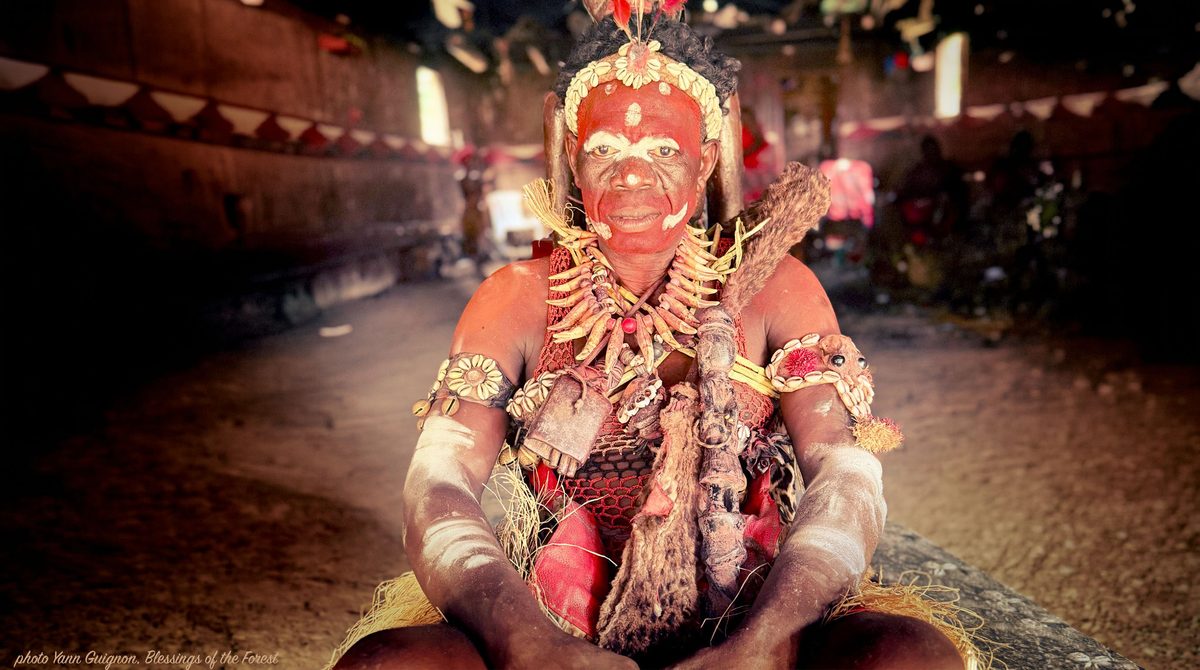
It is not a religion, exactly. He describes it as the study of life, closer to a school or ethos than a faith, and one you never graduate from: the last lesson, as he puts it, arrives at your death. You learn in the forest with your spiritual father, and you learn in ceremony, through dance and ritual and song, where nothing is decorative and everything carries meaning.
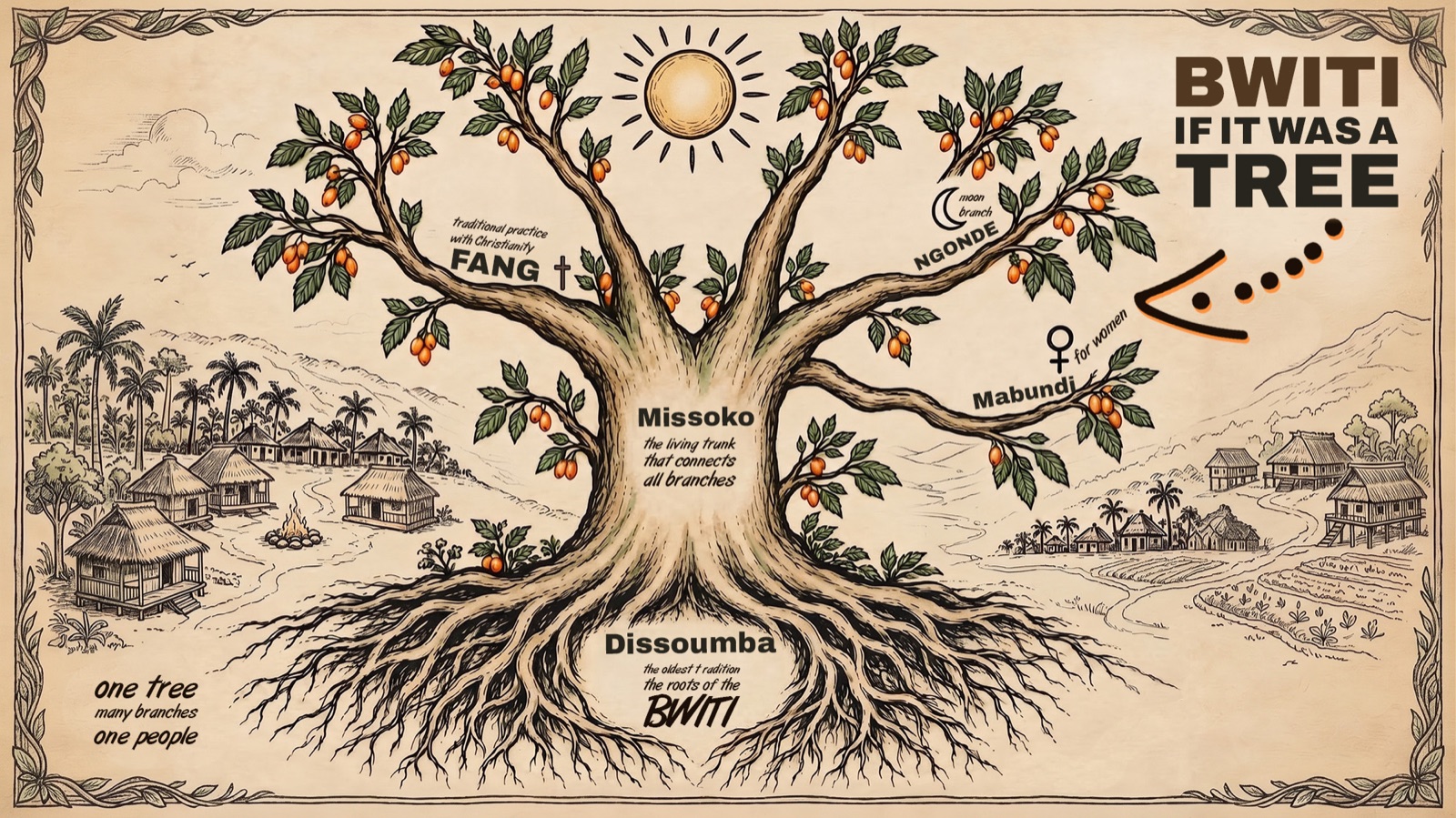
He describes Bwiti as a tree. The roots are Dissoumba, the oldest tradition. The trunk is Missoko. Everything else branches off from there: Fang, which blends traditional practice with Christianity, and the various Missoko branches including Ngonde, the moon branch he belongs to, and Mabundi, which is for women. Different villages practice slightly differently. It is one organism with interconnected parts.2
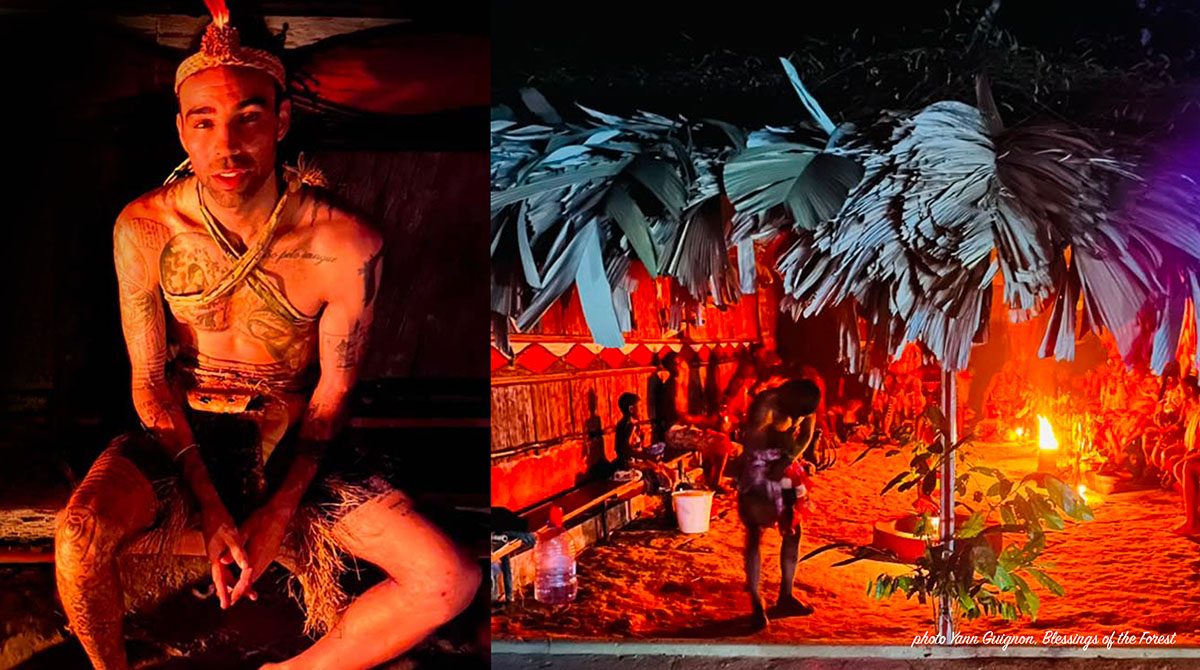
And ceremonies are communal. All night, with women and children and parents present, laughing, singing, swinging torches. Troy describes a moment that comes somewhere in the night when the drumming and singing lock together and, in his words, you genuinely cannot tell the difference between yourself and anyone around you. One heartbeat in the room. That, he says, is what Bwiti is at its core.
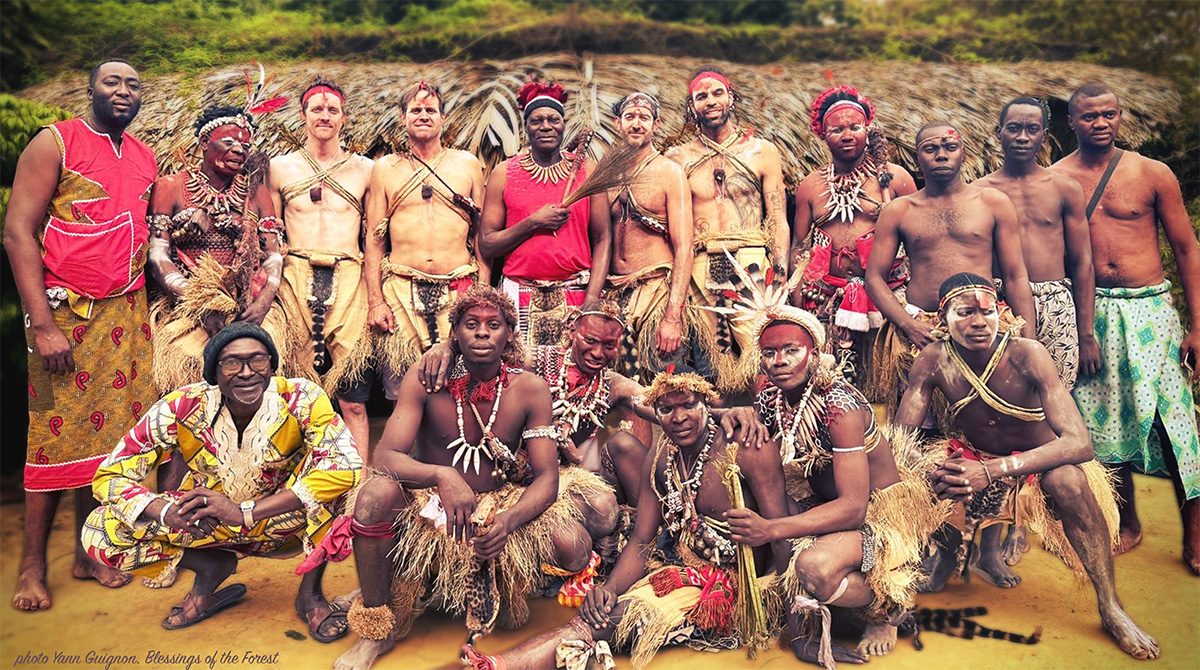
Two details worth sitting with, because they reframe what this plant is for. First, in Gabon iboga is not primarily a healing technology. It is used to speak with the ancestors, and healing is downstream of that. Second, its social function is to bind a community together, which is close to the opposite of how most Westerners encounter it, alone on a bed with an eye mask.
Western science isolated ibogaine from the bark in 1901, and the anti-addiction story began in the 1960s when Howard Lotsof, a young man dependent on heroin, noticed his withdrawal simply never arrived. Everything in the modern clinical world descends from that. It is worth naming that the discovery was really a rediscovery of a plant that a living tradition had been carrying carefully for a very long time.
Three rooms, three completely different experiences
Say the word "ibogaine" and three genuinely different rooms could be meant.
A Bwiti ceremony in Gabon. Root bark, taken as part of a community ritual that runs through the night. You are upright, singing and dancing, surrounded by people, inside a structure of ritual that has been refined over generations. If you go, Troy's advice is to start with a village accustomed to receiving outsiders rather than one deep on the outskirts, and to understand that you are entering someone else's discipline as a guest.
An ibogaine clinic. Purified ibogaine HCl, dosed by body weight. You are lying down, wired to a cardiac monitor, with a physician reading the numbers. There is no ceremony to speak of. The container is medical, and for the job it is doing, it should be.
A psychospiritual iboga retreat. The middle path, and where Troy's own work sits. Root bark or extract rather than the isolated molecule, eye mask, a bed, traditional music, doctors present and ECGs taken beforehand but no one wired to instruments through the night. He is deliberate about not importing Bwiti ceremony wholesale into a setting it did not come from.
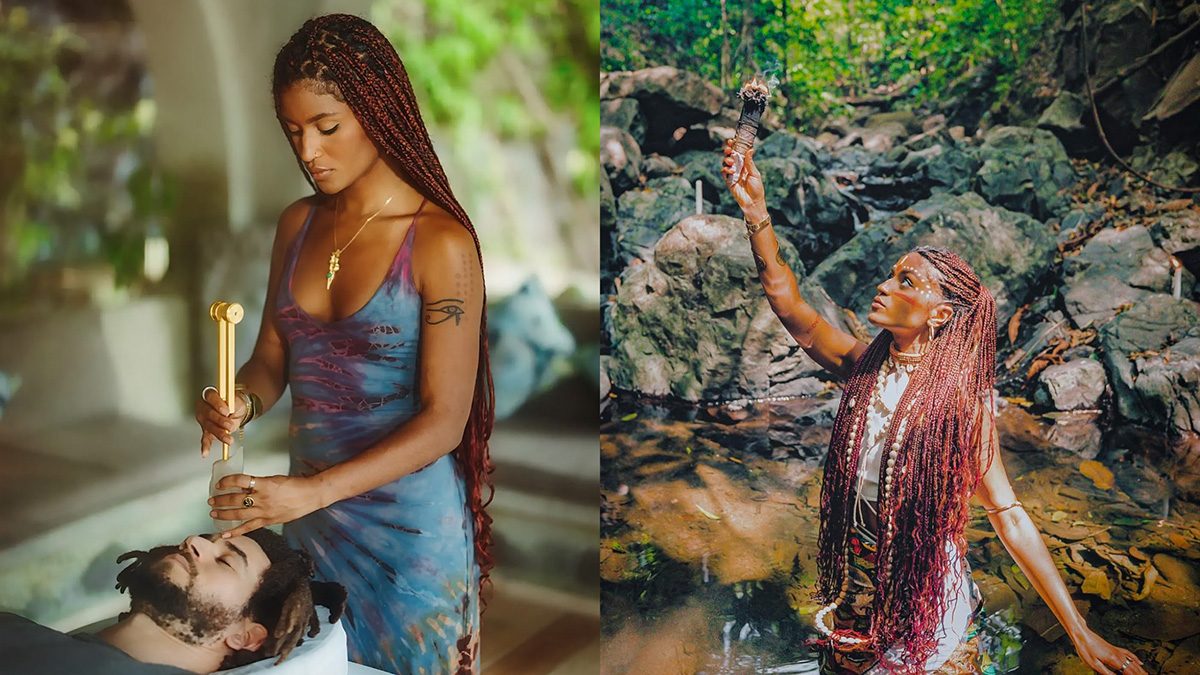
Same plant family at the root of all three. Very different tools, aimed at very different jobs.
Why the difference is a safety issue
Here is the mechanism, as Troy describes, in the plainest version I have heard anyone give it. Your heart has a channel called hERG that moves potassium out of the heart cell, and that movement is what lets the muscle reset electrically between beats. Ibogaine blocks that channel.3 The reset takes longer, and that lengthening shows up on an ECG as a prolonged QT interval (I talk about that in more detail here). Push it far enough and the heart becomes vulnerable to an arrhythmia that can be fatal. That is the single number a clinic is watching for on the monitor.
The effect is dose-dependent, which is exactly where the iboga-versus-ibogaine distinction stops being academic. There is far less ibogaine in a ceremonial dose of bark than in a clinical flood dose, so the cardiac load is genuinely lower. Troy still runs ECGs beforehand and still has physicians on site. Lower is not zero.
The flip side is the part people get backwards. Bark's ibogaine content varies by plant, by harvest, by preparation, and by the honesty of whoever sold it. Two scoops that look identical can carry meaningfully different doses. At ceremonial doses inside an experienced tradition, that variability sits inside a container built to hold it. At detox doses, in someone whose heart is already stressed by opioid dependence, it is a gamble with the one variable that most needs controlling.
Do not attempt opioid detox with root bark or with any preparation whose ibogaine content cannot be measured. Detox belongs with providers who use pharmaceutical-grade ibogaine HCl, dose by body weight, and screen your heart first. The full checklist of what that looks like is in our safety guide.
Which one is the right tool
What I found most useful in this conversation is that Troy turns people away. He runs an iboga retreat and he still refers people elsewhere, which is really interesting to hear.
His reasoning follows this rule. If the problem is substance dependence, particularly opioids, that belongs at an ibogaine clinic with the measured molecule and the medical container around it. Same answer if someone wants a medical setting for their own peace of mind. What he works with instead is what he calls behavioral addiction, the patterns underneath, where his argument for the full-spectrum plant is strongest.
He makes the same call about Parkinson's, and against his own offering: for that, he says, ibogaine is the better tool, not iboga. His reasoning turns on first-pass metabolism, and it is worth understanding because it applies generally. Ibogaine taken orally is rapidly demethylated by the liver into noribogaine, a long-acting metabolite with its own distinct activity.5 If what you want is ibogaine itself rather than its metabolite, the liver is in the way. Worth saying plainly: ibogaine for Parkinson's is experimental, not an approved treatment, and the evidence is early.
One more piece of his thinking that applies whichever form you choose. He will turn someone away if there is no willingness on their end, and the reason is mechanical rather than moral. These compounds open a window of heightened neuroplasticity. If a person arrives resistant, pushed into it by family, that window does not close neutrally. Whatever patterns are running get laid down more firmly than before. It’s a bit of a double-edged sword. It is the most persuasive argument I have heard against dragging a reluctant loved one to treatment, and his advice there is to offer the idea and then step back.
The plant is under pressure, and that is on us
Rising global demand has real consequences in the native range. Iboga grows slowly, taking years before its root bark is worth harvesting, and wild populations in Gabon have come under poaching pressure as prices rise. Gabon has moved to protect the plant, and there is a growing push toward cultivated sources and genuine benefit-sharing with the communities the tradition belongs to.
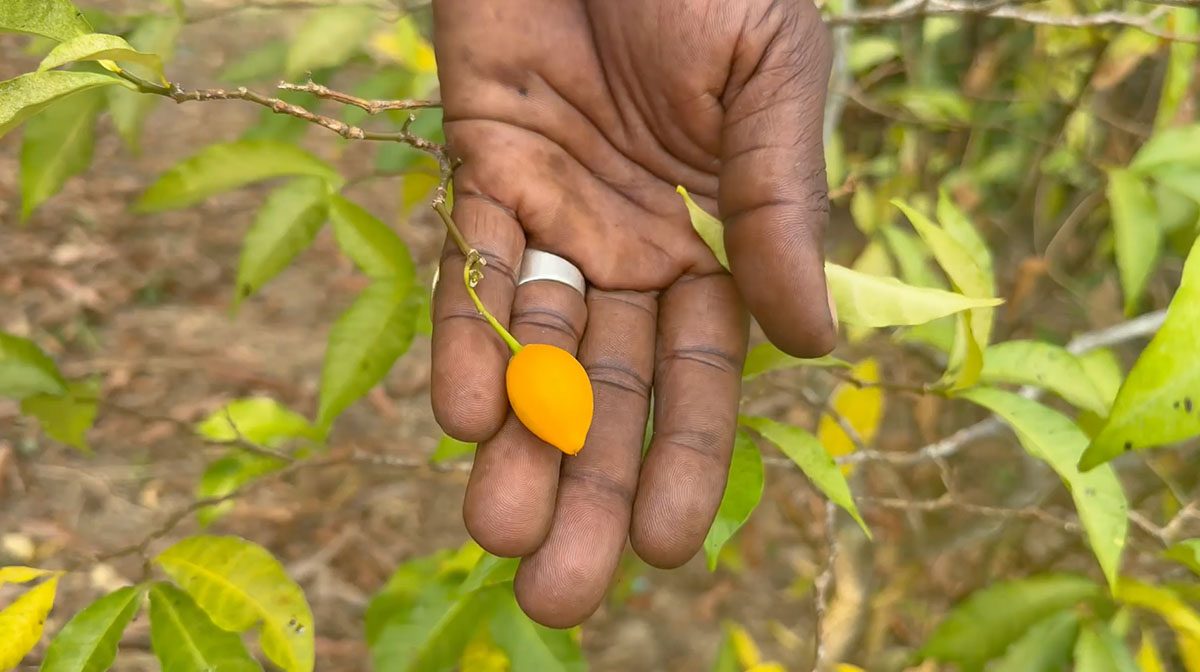
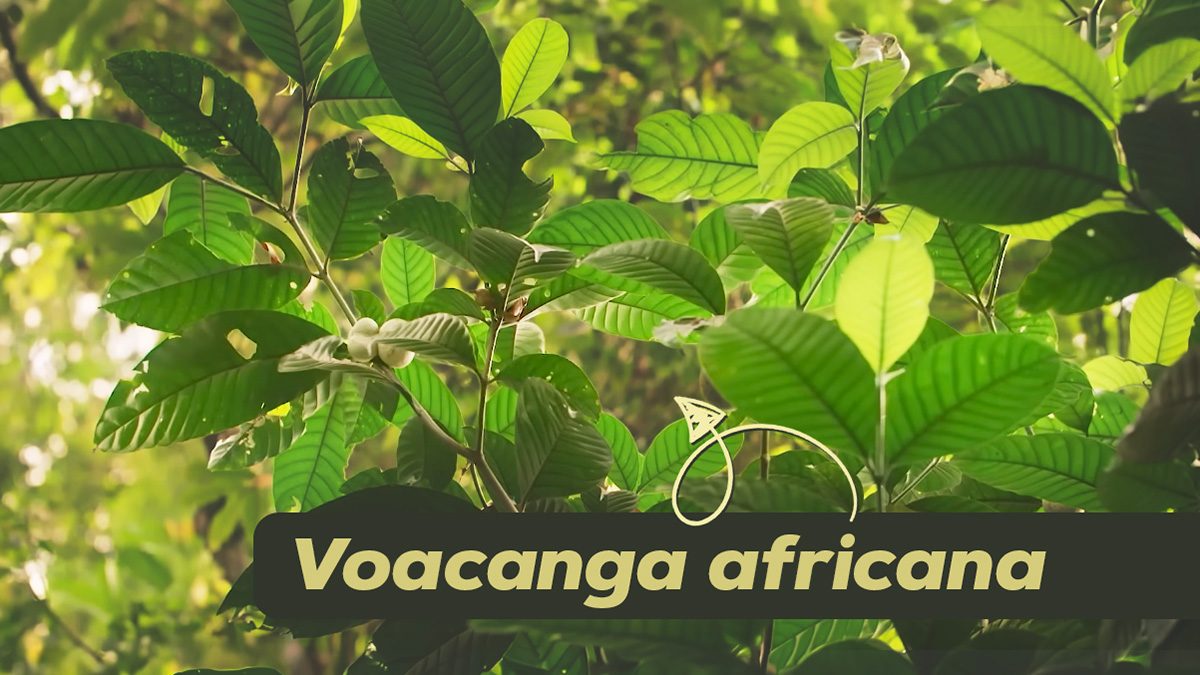
There is also a supply route that skips the iboga plant entirely: most pharmaceutical-grade ibogaine today is semi-synthesized from voacangine, an alkaloid harvested from Voacanga africana, a faster-growing African plant farmed for the purpose.4 Same final molecule, dramatically lower pressure on wild iboga. When you vet providers, "where does your medicine come from" is a fair and revealing question, and the good ones have a real answer.
Troy and his wife put every bit of profit from their plant work into their non-profit, the Sacred Roots Foundation, which funds restoration projects in Gabon: land bought back for his village, a house for a village elder, dental care for children, teaching beekeeping so communities have something to trade other than palm wine. You can reach them through Root & Wisdom. He also pointed to Blessings of the Forest, a Gabon-based NGO working on forest conservation, indigenous cultural heritage, and fair benefit-sharing. If this plant has given you something, those are two places to send it back.
Key takeaways
- Iboga is a plant with a “rainbow” of compounds, ibogaine is one chemical inside, the red of the rainbow.
- Only ibogaine HCl can be dosed precisely, which is why every medical detox protocol and clinical trial uses it.
- Never attempt detox with bark. Variable alkaloid content plus dose-dependent cardiac risk can be dangerous.
- The cardiac risk is real for both, and lower for bark. Less ibogaine means less QT prolongation, but lower is not zero, and screening still applies for iboga retreats.
- Match the tool to the job. Substance dependence points toward a medical clinic; the patterns underneath are where the full-spectrum plant is argued for.
- Bwiti is a school, not a tribe. It is a living tradition that protected this plant long enough for the rest of us to learn about it.
Frequently asked questions
Is ceremonial iboga safer than clinical ibogaine?
Partly, and not in the way people assume. A ceremonial dose of bark delivers far less ibogaine than a clinical flood dose, so the cardiac load is genuinely lower. But the risk per milligram of ibogaine is identical, the dose in bark cannot be measured, and a ceremony without cardiac screening has fewer safeguards, not more. Lower dose is not the same as safe.
Can you detox from opioids with iboga root bark?
It has been done, but it is significantly more dangerous than using measured ibogaine HCl under medical supervision. Detox requires high doses, and with bark you cannot know how much ibogaine you are actually taking. Providers who work with the plant rather than the molecule generally refer opioid detox out to clinics for exactly this reason.
How much ibogaine is actually in iboga root bark?
Around three percent by weight, alongside a dozen or more other alkaloids whose proportions vary from plant to plant. That is why you cannot reach a clinical detox dose by eating bark, and why bark and purified ibogaine are not interchangeable at any dose.
Is ibogaine synthetic?
The molecule is the same wherever it comes from. Most pharmaceutical-grade ibogaine is semi-synthesized from voacangine, an alkaloid from the Voacanga africana tree, rather than extracted from iboga itself. Full laboratory synthesis exists but is not commercially practical.
Do you have to go to Gabon to take iboga?
No. Bwiti initiation happens in Gabon and is its own path, undertaken within that tradition and as a guest of it. Iboga retreats operate elsewhere, and clinical ibogaine treatment happens legally in countries such as Mexico. They are different experiences with different purposes.
Here are my main Sources
- Alper's famous article "Ibogaine: a review."
- Fernandez's book. Bwiti: An Ethnography of the Religious Imagination in Africa.
- Koenig's paper. "The anti-addiction drug ibogaine and the heart: a delicate relation."
- Jenks' paper "Extraction studies of Tabernanthe iboga and Voacanga africana."
- Mash DC. "IUPHAR invited review. Ibogaine: a legacy within the current renaissance of psychedelic therapy." Pharmacological Research, 2023;190:106620.
- My conversation with Troy Valencia, "Iboga is a Rainbow, Ibogaine is Red," recorded for our podcast. Where this article describes his practice, his referrals, or the Bwiti tradition he is initiated into, that is the source.