Most reputable ibogaine treatment runs roughly 7,000 to 15,000 US dollars for a medically supervised program, most commonly in Mexico. Ceremonial retreats can run less, luxury programs run far more, and underground treatments cost the least while carrying the most risk.
Insurance does not cover it. And the line items that make treatment more expensive, screening, physicians, monitoring, and aftercare, are precisely the ones you should refuse to go without.
After the video we made, price is the first thing everyone was asking and it sometimes it’s hard to find the answers to those. Often (sketchy) clinic websites bury numbers behind consultation calls, and the ranges quoted online mix up categories of treatment that have no business being compared. So let me lay it out so you have a good idea.
The honest ranges, as of 2026
| Tier | Typical price (USD) | What it usually includes |
|---|---|---|
| Medically supervised clinic (Mexico, most common) | 7,000 to 12,500 | Pre-screening ECG and labs, physician oversight, cardiac monitoring, nursing, roughly 5 to 10 days on site, basic aftercare planning |
| Premium and extended programs | 12,500 to 25,000 | Longer stays, deeper stabilization for fentanyl and methadone cases, more staff per patient, structured integration programs, nicer everything |
| Luxury and executive programs | 25,000 to 50,000+ | Private accommodations and amenities layered on the medical core. Past a point you are buying comfort, not safety |
| Ceremonial retreats (non-detox) | 2,500 to 8,000 | Lower-dose psychospiritual work, often bark or extract, variable medical screening. Not a detox setting; see iboga vs. ibogaine |
| Underground and home treatments | Under 2,500 | The savings are the safety equipment. This tier is where a disproportionate share of the deaths happen |
Prices move with currency, demand, and the growing legitimacy of the field, so treat these as 2026 ranges rather than eternal truths, and always get a written quote listing what is included.
What the money actually buys
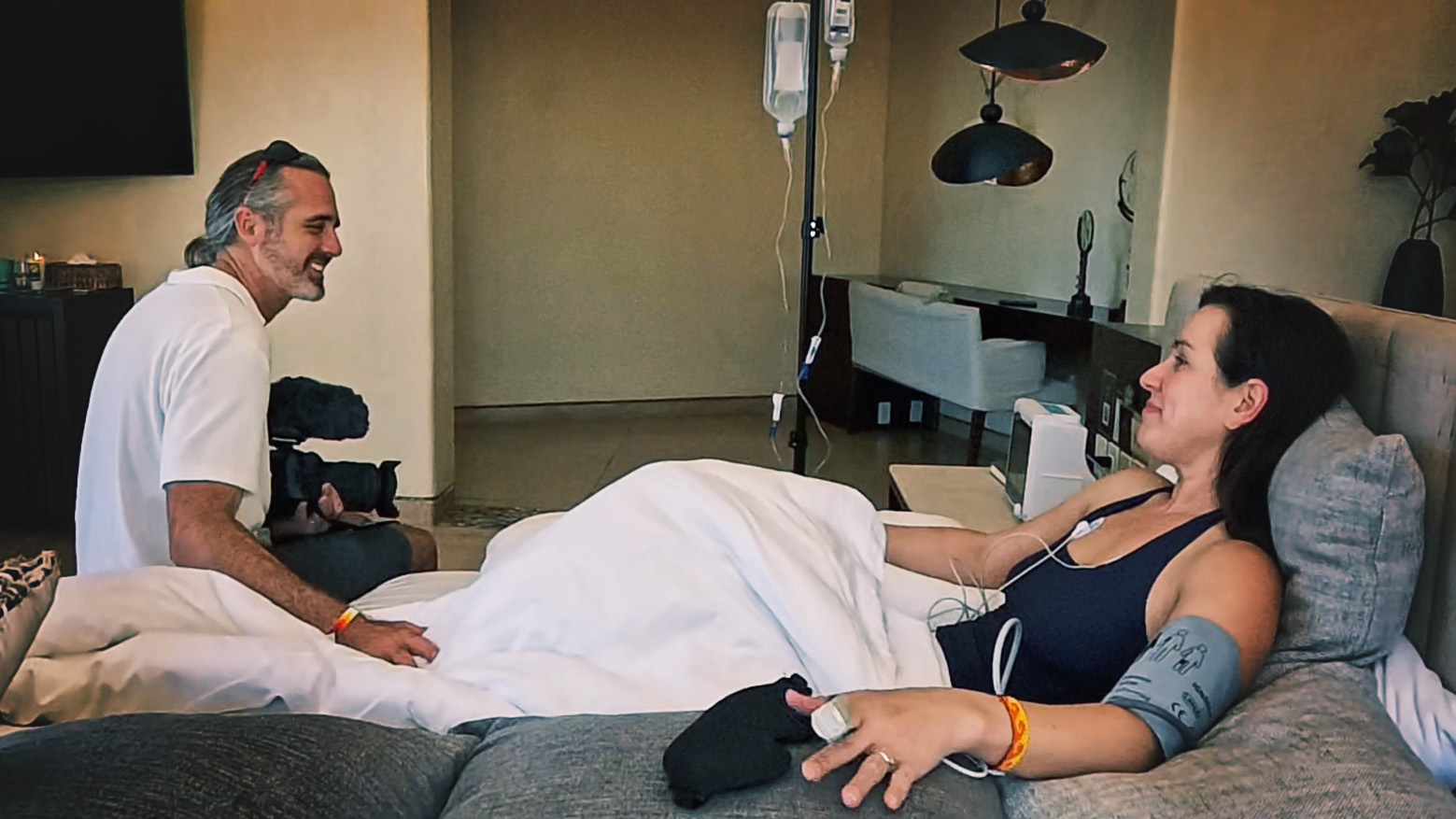
I’d like to think that what you are paying for is experience for what will be one of the most memorable experiences of your entire life. A medically serious program is paying for things that are invisible in the brochure photos: a physician's time reviewing your ECG and labs before you are accepted, and turning you away if the numbers say so. Cardiac monitors and the trained humans watching them through the night. Emergency equipment that everyone hopes stays in its case. Nursing coverage across days of observation while noribogaine works through your system. The unglamorous truth is that you are paying a medical team to stand around being ready, and that readiness is the product. The full list of what must be present is in the clinic guide, and it doubles as an itemized receipt for a fair price. You’re also paying for the knowledge of the care staff that work as sitters and guides. Some know energy work, others psychotherapy, others reiki or other practices. All of these were valuable to what our experience was, and something that I would gladly recommend for others.
Why the cheap option is the expensive one
I had a lady write in to me after the documentary. She told me she went to a retreat just over the border from San Diego. The goal was to heal from trauma but during the experience with everyone in one room (unbelievable), one person went into cardiac arrest. The others had to watch it unfold and were themselves traumatized from that experience. It was a budget option and it only makes sense. When a price is dramatically below market, the discount has to come from somewhere, and it comes from the list above: the ECG nobody reviewed, the electrolytes nobody corrected, the physician who is "on call" in another city, the monitoring that ends when you can walk. Published reviews of ibogaine fatalities show the deaths clustering exactly where those items are missing.1 A cardiac event handled by trained staff with a defibrillator is a frightening story you tell later. The same event in a rented house is an accident waiting to happen. Priced against that, the difference between 5,000 and 14,000 dollars is not a discount. It is the cost of the parts that keep you alive.
The hidden costs nobody budgets for
Plan for the full journey, not just the program fee: flights and travel for you and ideally a companion if you can make it. Two to four weeks away from work between preparation, treatment, and early recovery. Pre-treatment medical work at home if your provider wants labs and an ECG before you fly (those cost about 400 USD for us). A supervised medication taper, which for methadone or buprenorphine cases can mean weeks of managed switching (see how to prepare). And the one people skip: aftercare. Integration coaching or therapy in the months after commonly runs 100 to 250 dollars a session, and it is the single best-correlated spend with lasting results. In our course we are working with an integration expert, Alex who charges 4k for a 6 month program. It’s worth it and I suggest you budget for the window, not just the door, if you possibly can.
Insurance, financing, and comparisons
US insurance does not cover ibogaine treatment, because the drug is Schedule I (the full picture is that ibogaine is not currently legal in the US). Some clinics offer payment plans, and some families treat this the way they would any major medical expense abroad. For context rather than justification: a single 28-day residential rehab in the US commonly runs 20,000 to 60,000 dollars, frequently repeated, and years of maintenance treatment carry their own accumulating cost. I am not telling you ibogaine is a bargain. I am telling you to compare real alternatives with real numbers, then spend deliberately on the parts that matter.
Key takeaways
- Budget 5,000 to 15,000 dollars for reputable medically supervised treatment, more for extended or premium programs.
- The expensive line items are the safety equipment: screening, physicians, monitoring, and trained staff are what you are buying.
- Deep discounts mean missing safeguards. The fatality record clusters where the medical spending was skipped.
- Budget the whole journey: travel, time off, tapering support, a companion, and months of integration afterward if you can.
- No insurance covers it. Compare it against the real cost of the alternatives.
Frequently asked questions
Does insurance cover ibogaine treatment?
No. Ibogaine is a Schedule I substance in the United States, so treatment happens abroad and no US insurance plan covers it. Budget for it as an out-of-pocket medical expense, and be skeptical of anyone claiming otherwise.
Why does ibogaine treatment cost so much?
Because a safe program is a small hospital operation: physician screening, laboratory work, continuous cardiac monitoring, emergency equipment, and round-the-clock trained staff across multiple days. The medicine itself is a minor line item; the medical readiness around it is the real cost.
Are payment plans available?
Many established clinics offer payment plans or staged deposits. Ask directly, get terms in writing, and treat high-pressure discounting ("book this week for half off") as the red flag it is.
Is a cheap underground treatment ever worth it?
No. The price difference is exactly the screening and emergency capability that determine whether a cardiac event is survivable. The deaths in the published record cluster in unsupervised settings. If budget is the barrier, wait and save rather than going underground.
Sources I Used
- Actual Internet searches for the price of retreats - as of 2026
- The GITA article "Clinical guidelines for ibogaine-assisted detoxification."
- National Institute on Drug Abuse’s article "How much does opioid treatment cost?"