
In a landmark Stanford study, 30 special operations veterans showed large improvements in PTSD, depression, and anxiety one month after a single ibogaine treatment, with average symptom reductions in the range of 80 to 90 percent, and their performance on cognitive testing improved rather than declined. There were no serious adverse events under the study's magnesium plus ibogaine protocol with full cardiac monitoring.1
It was an observational study without a control group, so it cannot prove cause. It was strong enough that Texas has committed 50 million dollars to run the trials that can.
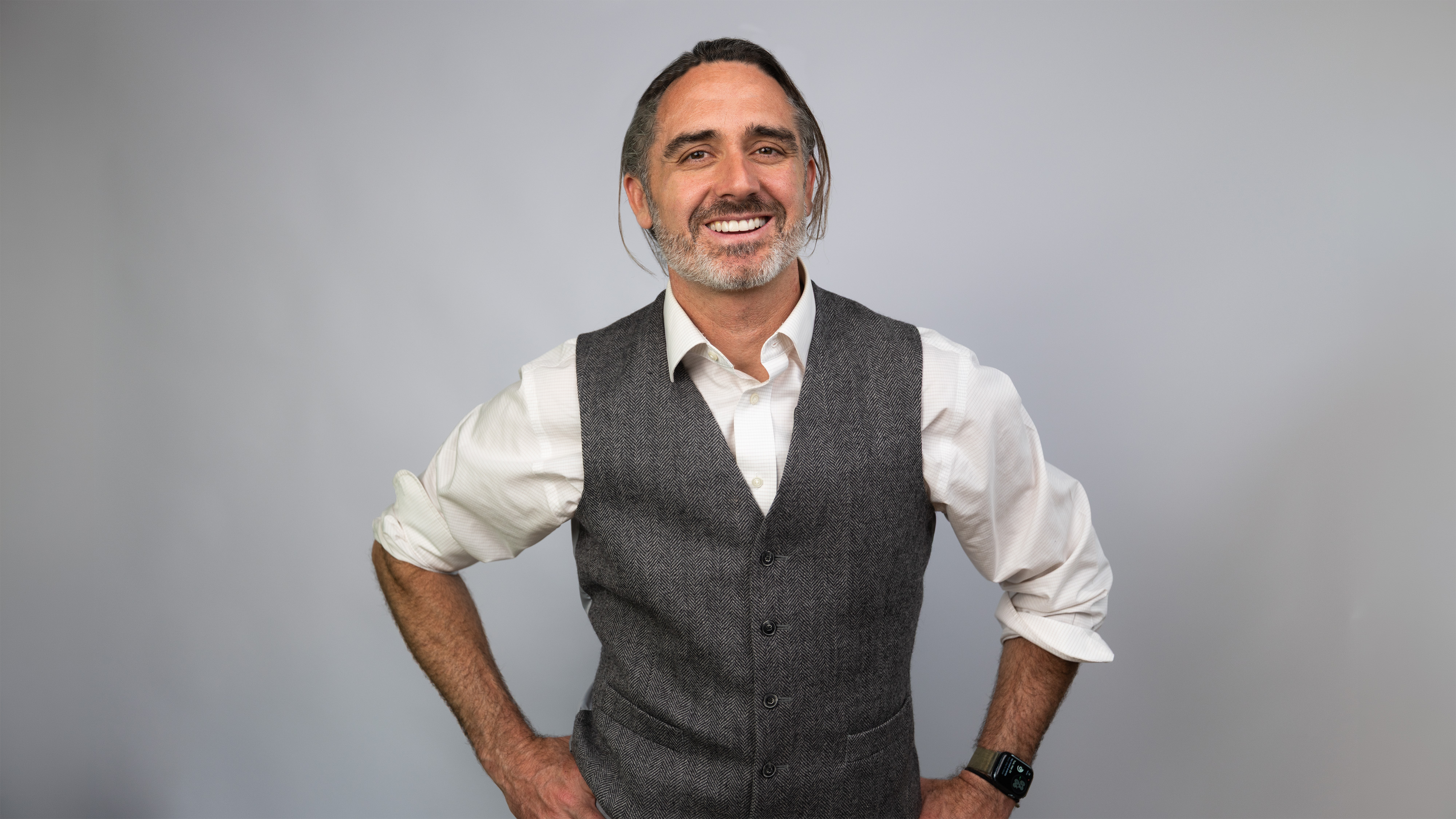
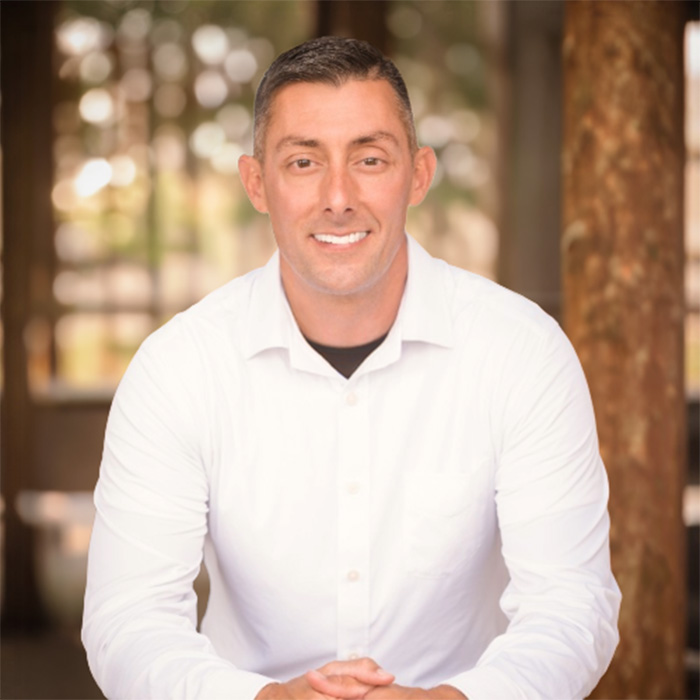
I want to be careful in how I talk about all of this, because it involves a population that has been promised things before. Veterans with PTSD and traumatic brain injury are heavily treated, heavily medicated, and heavily studied, and many still describe themselves as out of options. When results like these show up in that population, the temptation is to either oversell them or reflexively dismiss them. I had the opportunity to meet several of the vets that were in this study, one of which is Ryan Roberts who has advocated for Ibogaine research and who was also willing to talk to me again via the interview below.
Why veterans went first
I’m not exactly sure why veterans were the first group, but I have a feeling that they’re the ones people might listen to the most should things work. But also, the modern veteran cohort carries a specific injury pattern: repeated blast exposure producing cumulative traumatic brain injury, layered under PTSD, depression, and what clinicians increasingly call moral injury, the damage done by events that violate one's own conscience. The sanctioned toolkit, talk therapies plus antidepressants, helps many people and plainly was not enough for many others. Veteran suicide numbers stayed brutal for two decades while that toolkit stayed roughly the same.
So veterans started leaving the country to find treatment. Word spread through special operations communities about clinics in Mexico, and enough men came back changed that it attracted the attention of a Stanfort research unit. That grassroots pipeline, veterans vouching for veterans, is what eventually produced the formal studies. Ryan's story in the video above is one thread of it: 17 years inside the system, then a treatment in 2019 that he credits with giving him his life back, and a second act spent making the same road safer and more legitimate for others.
The Stanford study, in detail
Published in Nature Medicine in January 2024, the MISTIC study followed 30 male US special operations veterans who had independently scheduled ibogaine treatment at a clinic in Mexico.1 Stanford researchers assessed them before treatment, immediately after, and one month later. The protocol paired ibogaine with intravenous magnesium, specifically to protect the heart's QT interval during treatment.
One month out, the average results were striking: PTSD, depression, and anxiety ratings down by roughly 80 to 90 percent from baseline, and formal disability ratings improved from mild-to-moderate disability to essentially none. Just as important for this population, cognitive testing improved, including processing speed and memory measures, in a group where nearly all participants had documented TBI. And under full monitoring with the magnesium protocol, no serious adverse events occurred, including no dangerous cardiac events.
Now the limits. Every participant chose this treatment, paid for it, and traveled for it, which selects for motivated people expecting benefit. There was no placebo group, and expectation effects around an experience this intense are real. One month is early, though the team has continued following participants. None of this makes the results less remarkable. It makes them exactly what the authors called them: a signal strong enough to justify controlled trials, not a proof. However, talking to Ryan and the others, it sure seems promising.
The TBI finding is the surprising part
PTSD improving after a profound psychological experience fits existing models. Cognitive function improving in structurally injured brains does not. Traumatic brain injury has long been treated as damage to manage rather than a condition to reverse, and no pill in the standard toolkit improves it.
Why might ibogaine touch it? The candidate explanations come from the lab: ibogaine boosts growth factors like GDNF that support neuron health and plasticity, and the weeks-long noribogaine tail may hold open a window where circuits can reorganize. The mechanism story is laid out in how ibogaine works, and the honest label for all of it is promising hypothesis. Follow-up imaging and EEG work from the Stanford group is probing what physically changed in these brains. This is the exact frontier the new trials exist to map.
Texas, the FDA, and the money arriving
The veteran results moved policy in a way two decades of advocacy had not. In 2025, Texas passed legislation committing 50 million dollars in matching funds for FDA-sanctioned ibogaine trials focused on veterans, the largest public investment in psychedelic research in US history. The FDA has since cleared ibogaine for investigational study, and a 2026 federal executive order named ibogaine specifically in a push to accelerate research. Our research log tracks each development as it lands.
Ryan Roberts, whose conversation anchors this article, was one of the veterans who testified and organized to make the Texas initiative real. He also worked in Kentucky to do similar things. However the trials read out, the fact that they will exist at all is largely a veterans' accomplishment.
The studies above happened under physician screening, IV magnesium, and continuous cardiac monitoring. Veteran-specific risks make that setting non-negotiable: polypharmacy is common in this population, and several standard psychiatric medications interact dangerously with ibogaine and require supervised tapering first. Do not go underground, and do not stop medications on your own. Start with the safety guide and the preparation guide, and use veteran-run organizations that know the vetted providers.
What a veteran (or a family) should do with this
If this is you or someone you love, my guidance after chatting to the experts like Ryan in this space: treat the evidence as real and the guardrails as mandatory. That means proper cardiac screening, a supervised medication taper plan built weeks out, a provider chosen against the criteria in the clinic guide, and an aftercare plan in place before you fly. The window ibogaine opens closes the same way for veterans as for everyone else, and the ones who do best fill it deliberately with integration work, community, and structure. All of which Ryan outlined in our chat above.
Key takeaways
- The Stanford results are large and real: roughly 80 to 90 percent average symptom reductions one month after a single monitored treatment.
- Cognition improved in injured brains, the finding no standard treatment predicted and the reason TBI researchers are paying attention.
- No control group means no proof yet. The study earned the trials; it did not settle the question.
- Policy is moving fast: 50 million dollars from Texas, FDA investigational clearance, and federal acceleration in 2026.
- Guardrails are veteran-critical: polypharmacy and cardiac screening make the medical setting non-negotiable.
Frequently asked questions
Is ibogaine FDA approved for PTSD?
No. Ibogaine remains Schedule I in the United States and cannot be prescribed. It has been cleared for investigational study, and publicly funded trials are being organized, with Texas committing 50 million dollars toward FDA-sanctioned research in veterans.
Will the VA pay for ibogaine treatment?
No. Treatment currently happens abroad, outside the VA system, and is paid out of pocket. If trials succeed, that could eventually change, but nothing about VA coverage exists today.
How can a drug help a physical brain injury?
The working hypotheses involve neurotrophic factors like GDNF that support neuron health and plasticity, plus a weeks-long active window from the metabolite noribogaine during which circuits may reorganize. Cognitive improvement has been measured in veterans after treatment, but the mechanism in humans is not yet established.
Is one treatment enough for PTSD?
The Stanford veterans received a single treatment, and one-month improvements were large. Durability varies person to person, and clinicians consistently emphasize that integration work afterward, therapy, community, and structure, is what turns an intense experience into lasting change.
Sources I Made Use of
- Cherian KN, et al. "Magnesium-ibogaine therapy in veterans with traumatic brain injuries." Nature Medicine, 2024;30:373-381.
- Davis AK, Averill LA, Sepeda ND, Barsuglia JP, Amoroso T. "Psychedelic treatment for trauma-related psychological and cognitive impairment among US Special Operations Forces veterans." Chronic Stress, 2020;4:1-11.
- Texas House Bill 3717, 89th Legislature (2025): 50 million dollar matching-fund program for FDA-sanctioned ibogaine clinical trials.
- "US speeds up research into mind-altering drugs, including ibogaine." Nature news, April 2026.