

Psychedelics produce profound but temporary altered states of consciousness, and the best current thinking is that they work by relaxing the brain's certainty in its most rigid beliefs, including the harmful ones we hold about ourselves. Done right, with the right mindset, setting, dose, and support, one or two sessions have performed comparably to daily antidepressants in modern trials.
Done casually, they’re less effective and can cause real harm. And ibogaine, the medicine this site exists to explain, is a special case within the family: a different mechanism, a different experience, and real cardiac risks that make medical screening non-negotiable.
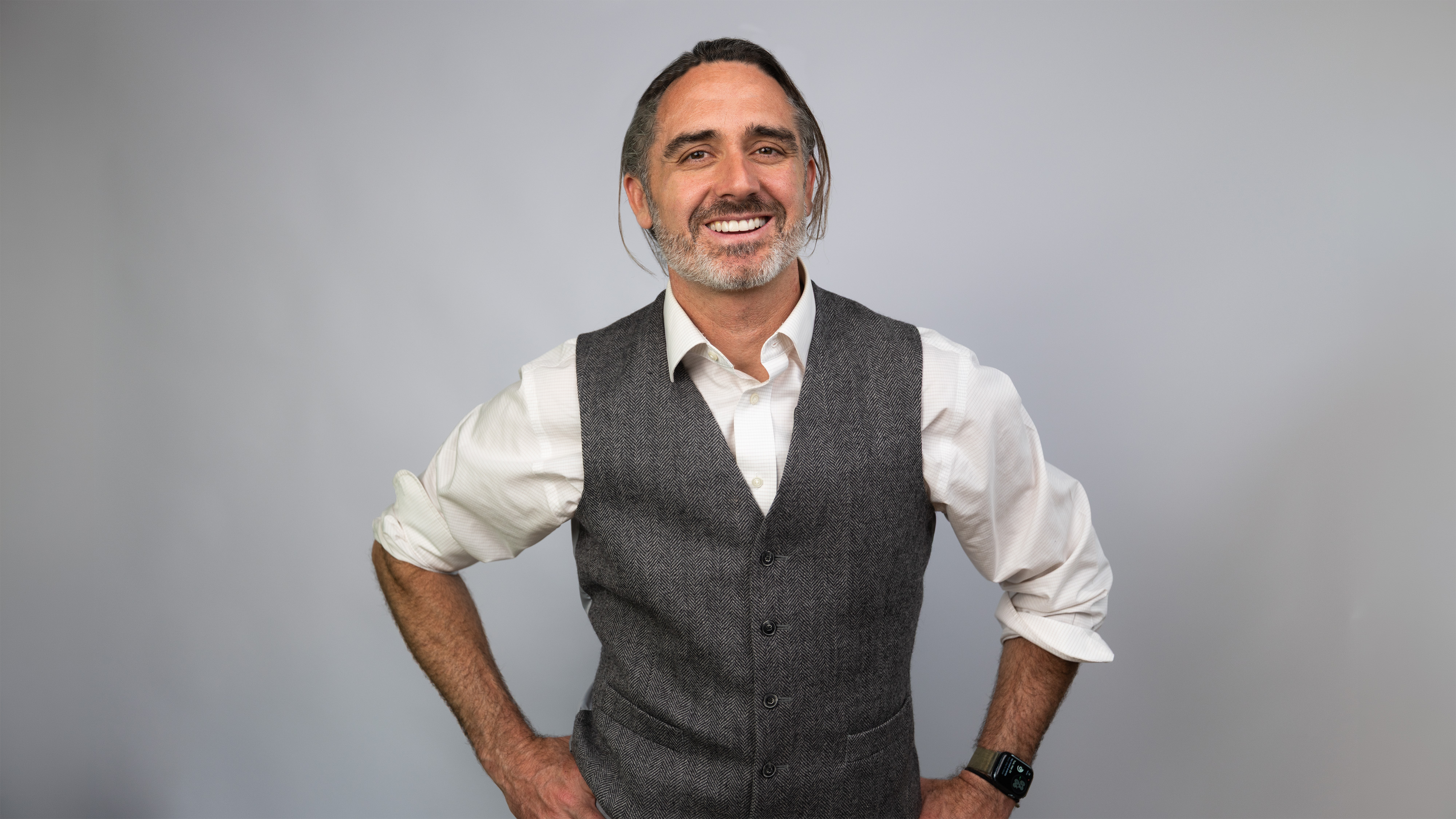
Because not everyone researching ibogaine, or the loved ones reading along with them, fully understands psychedelics, I wanted to write the overview I kept wishing existed. To help me with that, I sat down with Dr. Chloe West, a psychedelic neuroscientist, and an excellent online educator in this space. She has a PhD in neuroscience, and her research looks at how psychedelics like psilocybin, LSD, and DMT change brain activity, and what the long-term psychological benefits of those changes actually look like. In other words, she was exactly the person we’d all want in the room for a conversation like this one.
What makes psychedelics different
Plenty of substances are psychoactive which just means mind altering. Caffeine is. Alcohol is. What sets psychedelics apart, in Dr. West's words, is that they produce profound but temporary altered states of consciousness.1 You go somewhere, and then you come back. They are also, by every standard measure, not addictive: they don't produce compulsive use, and tolerance builds so fast that daily use simply stops working.
Here's the part I find genuinely fascinating, and it may be the most useful idea on this page. Psychedelics seem to work by reducing how certain the brain is about its most rigid beliefs.2 Sit with that for a second. Our most rigid beliefs often come from negative experiences, and the most stubborn of all tend to be the negative beliefs we hold about ourselves. I’m a bad person or My Dad is Not Nice. That's exactly why these experiences can be emotionally challenging. If something difficult comes up mid-experience, there's a reason it's coming up: your brain is being handed a rare opportunity to change what it believes about that very thing.
That's also why the research on depression, anxiety, and PTSD is generating so much hope right now. These conditions tend to be maintained by exactly the kind of rigid, self-directed beliefs that psychedelics loosen.
The case for psychedelics, when they're done right
Dr. West's honest read of the evidence: done right, psychedelics can be as effective as traditional pharmaceutical medications like SSRIs for depression, if not more effective, from one or two supported sessions rather than a pill taken indefinitely. That's not a fringe claim anymore. In a randomized controlled trial published in the New England Journal of Medicine, two psilocybin sessions performed comparably to six weeks of daily escitalopram, a leading antidepressant.3

The difference is in the aim. A daily medication mostly manages symptoms, and managing symptoms is a legitimate, sometimes life-saving thing to do. Psychedelics, used well, seem to get at the root of the problem: the beliefs and patterns underneath the symptoms. That "interrupt the pattern rather than manage it" idea is the same one that runs through everything we teach about ibogaine.
Notice the qualifier doing all the work in that paragraph: done right. The same experiences that rank among the most meaningful of people's lives in the research4 can be harmful when they're done casually, in the wrong setting, or by the wrong person. Which brings us to the practical part.
Doing it right: mindset, setting, dose, support
I asked Dr. West how you do psychedelics right, for optimum safety. Her answer comes down to four things:
- Mindset. Go in on a decent day. If you're struggling with your mental health, don't take a psychedelic on a particularly tough day, or right after something that really knocked you down. (Feeling intimidated beforehand is normal. Almost everyone is.)
- Setting. You are far more sensitive to your environment under a psychedelic than you are sober, so the place, and the people in it, matter enormously.
- Dose. The right dose does not always mean the heroic one. "Not going all in," as she puts it.
- Support. Therapeutic support before the experience, somebody safe with you during it, and integration work after it.

For most psychedelics, "somebody safe with you" can mean a trained sitter. Ibogaine is different. It measurably stresses the heart, and nearly every documented death traces back to missing screening, missing monitoring, or missing medical staff. For ibogaine, "somebody safe" means a screened, continuously monitored, medically staffed setting. Nothing less. Our guide on whether ibogaine is safe covers exactly why.
For the loved ones: supporting someone coming back
If you're reading this on behalf of someone else, this part is for you. I asked it for you specifically. Dr. West's advice comes in three parts.
First, understand how profound this is. In the research, psychedelic experiences consistently rank among the most meaningful experiences of people's lives, alongside things like the birth of a child.4 Knowing that, and taking it seriously, is the foundation of being useful to someone afterward.
Second, hold space rather than interpret. Someone coming back from an experience like this is trying to find meaning in it, a bit like someone working out what a powerful dream meant. Let them find that meaning for themselves. Resist the urge to impose your own read on what they went through, however tempting that is.
Third, make the days after easier. Don't let them leap straight back into the hustle and the stressors of everyday life. Keep their calendar light and their obligations few. The days and weeks after a profound experience are where the real change gets built, or lost.
The science, briefly: receptors, entropy, and beliefs
You don't need this section to benefit from anything above. Dr. West said as much herself when I pushed her on it: what matters more is understanding the risks and using these medicines safely, with real respect for how much they alter brain function. But if you're curious, here's the short version.
When you hear the word psychedelics, you probably think of magic mushrooms, LSD, peyote or DMT. Those are the classic psychedelics, sometimes called the serotonin psychedelics, and they work by binding to one particular serotonin receptor called 5-HT2A.1 Neurons carrying that receptor get excited, and a lot of them live in the brain's visual cortex, which is why these medicines produce such profound visual effects. Zoom out from the single receptor and the brain-wide picture is what neuroscientists call increased entropy: brain activity becomes measurably less predictable than in normal waking consciousness.5 That, researchers think, is the altered state itself, the richer, more expanded, exploring-new-ways-of-thinking quality people describe.

And the idea that ties it all together, the one Dr. West calls the key to how psychedelics treat depression, anxiety, PTSD, and even addiction: beliefs. Not just the big ones, like your beliefs about God or the future, but beliefs about yourself, right down to small ones you don't realize you're carrying. Psychedelics reduce the brain's certainty in those beliefs, and in that relaxed state you get to explore new ways of thinking, let go of beliefs that have been quietly harming your mental health, and form healthier ones in their place.2 It won't turn you into a different person. It loosens what was limiting you. "I'm a bad person" can become "maybe I'm not."
Where ibogaine fits, and what it demands
Ibogaine is a relative of these medicines, not a twin. It binds that famous 5-HT2A receptor only weakly. Its activity is spread across many receptor systems at once, its experience is a long, dreamlike review of your own life rather than a visual trip, and it does something no classic psychedelic does: it can interrupt opioid withdrawal. We cover the mechanism in plain language in our guide to how ibogaine works in the brain, and inside the course we go further: the specifics of how ibogaine moves through the body, what it does hour by hour, and what that means for you practically, with the researchers and clinicians on camera.

But the single most important difference is this. The classic psychedelics are physiologically quite safe for screened, healthy people. Ibogaine is not casual under any circumstances. It stresses the heart in a way that makes medical screening, continuous monitoring, and a physician in the building the entire treatment, not luxuries, but the difference between a safe experience and a fatal one. That's why everything we teach comes back to one decision: the provider you choose. A properly vetted provider is not one safety measure among many. It's the one that contains all the others.
We built a free tool for exactly that decision, and it's the same one included in the paid course. Drop your name and email below and we'll send it straight to your inbox.
Get the free Provider Vetting Checklist
The exact cardiac-screening, staffing, and safety questions to ask any ibogaine clinic before trusting them with your life, plus the red flags that should end the conversation. It's a valuable piece of the course, and it's yours free.
Check your inbox.
The checklist is on its way. Look for an email from Rob Nelson in the next few minutes, and if it isn't there, check your Promotions or Spam folder.
One email now with the checklist, two short follow-ups after. Unsubscribe anytime.
Key takeaways
- Psychedelics produce profound but temporary altered states, and they seem to work by relaxing the brain's certainty in its most rigid beliefs.
- Done right, one or two supported sessions have performed comparably to daily antidepressants, because they aim at the root rather than the symptoms.
- Doing it right means four things: mindset, setting, dose, and support before, during, and after.
- Loved ones: hold space, don't interpret, and keep the days after easy.
- Ibogaine raises the bar. Its cardiac risks make a properly vetted, medically staffed provider the single most important safety decision.
Frequently asked questions
Are classic psychedelics addictive?
Classic psychedelics like psilocybin and LSD are not considered addictive. They do not produce the compulsive use patterns of drugs like opioids or stimulants, and tolerance builds so quickly that taking them daily stops working within days. That does not make them harmless: the experience itself carries real psychological risks, which is why screening, setting, and support matter so much.
Do psychedelics cure depression?
Cure is the wrong word. In modern trials, one or two well-supported psilocybin sessions have performed comparably to daily antidepressants, and researchers believe the benefit comes from addressing root beliefs rather than only managing symptoms. Results vary between people, and the support around the experience appears to matter as much as the substance.
Do you need to understand the neuroscience to benefit from psychedelics?
No. What matters more is understanding the risks, using them safely in the right environment, and taking seriously how much they alter brain function. Knowing what the subjective experience is like helps. Knowing which receptors are involved is optional.
Is ibogaine a psychedelic like psilocybin or LSD?
Chemically it is a relative, but it works through different receptors and produces a different experience: a long, dreamlike review of your own life rather than a perceptual trip. It also carries cardiac risks the classic psychedelics do not, which is why it requires medical screening and supervision.
Sources
- Nichols DE. "Psychedelics." Pharmacological Reviews, 2016;68(2):264-355.
- Carhart-Harris RL, Friston KJ. "REBUS and the anarchic brain: toward a unified model of the brain action of psychedelics." Pharmacological Reviews, 2019;71(3):316-344.
- Carhart-Harris R, et al. "Trial of psilocybin versus escitalopram for depression." New England Journal of Medicine, 2021;384:1402-1411.
- Griffiths RR, et al. "Psilocybin can occasion mystical-type experiences having substantial and sustained personal meaning and spiritual significance." Psychopharmacology, 2006;187(3):268-283.
- Carhart-Harris RL, et al. "The entropic brain: a theory of conscious states informed by neuroimaging research with psychedelic drugs." Frontiers in Human Neuroscience, 2014;8:20.